




Ask ChatGPT “what’s the best CRM for a small sales team,” and it won’t hand you ten blue links. It gives you a short list, a paragraph of reasoning, and maybe three brands it decided to name. That single behavior change is why “GEO vs SEO” is now a real strategy question and not a semantic one. Search used to be about earning a click. Increasingly, it’s about earning a mention inside an answer you never see the reader receive.
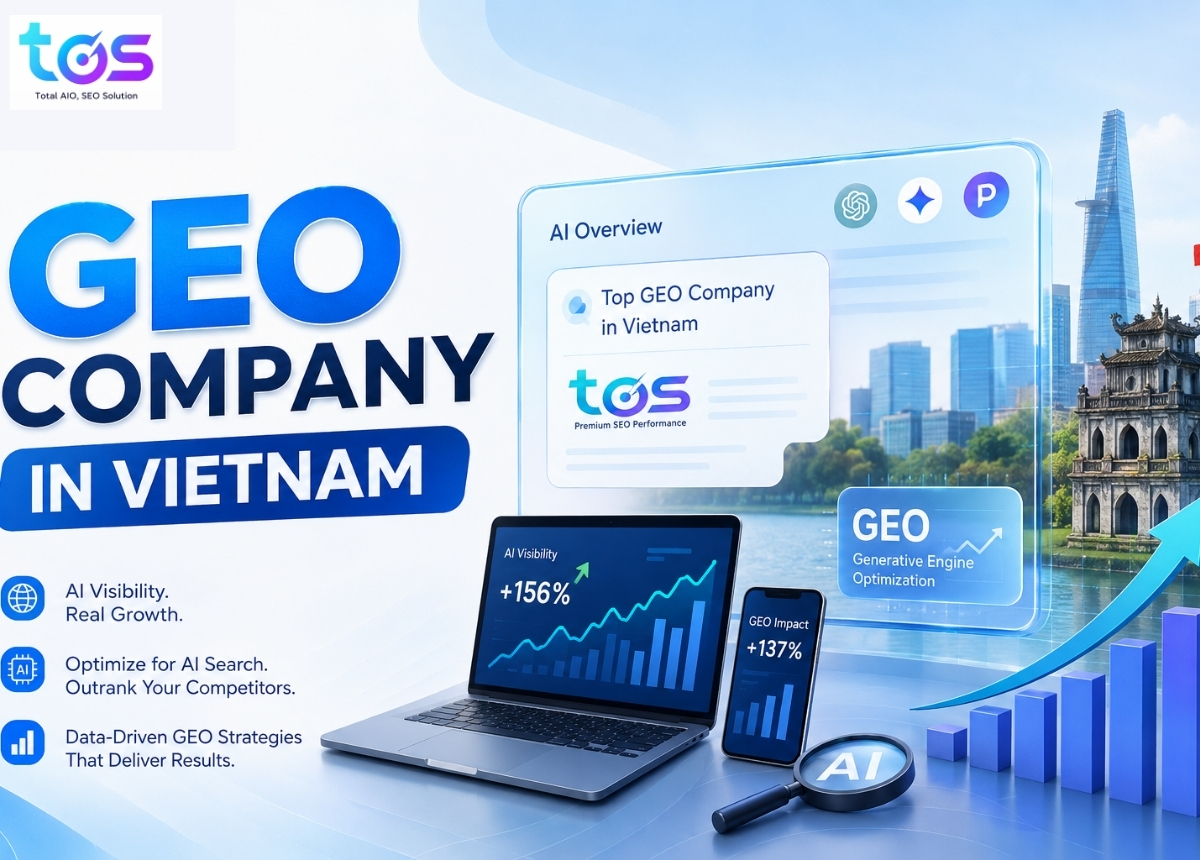
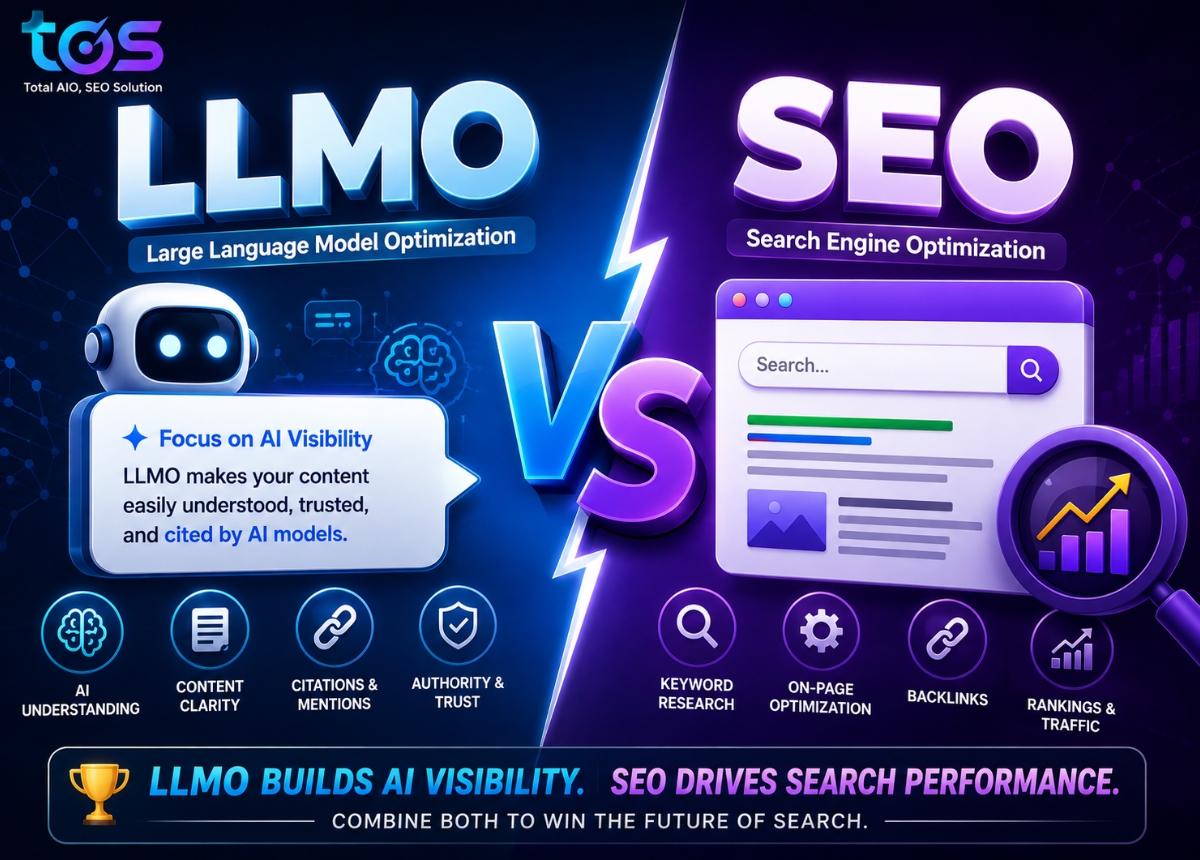
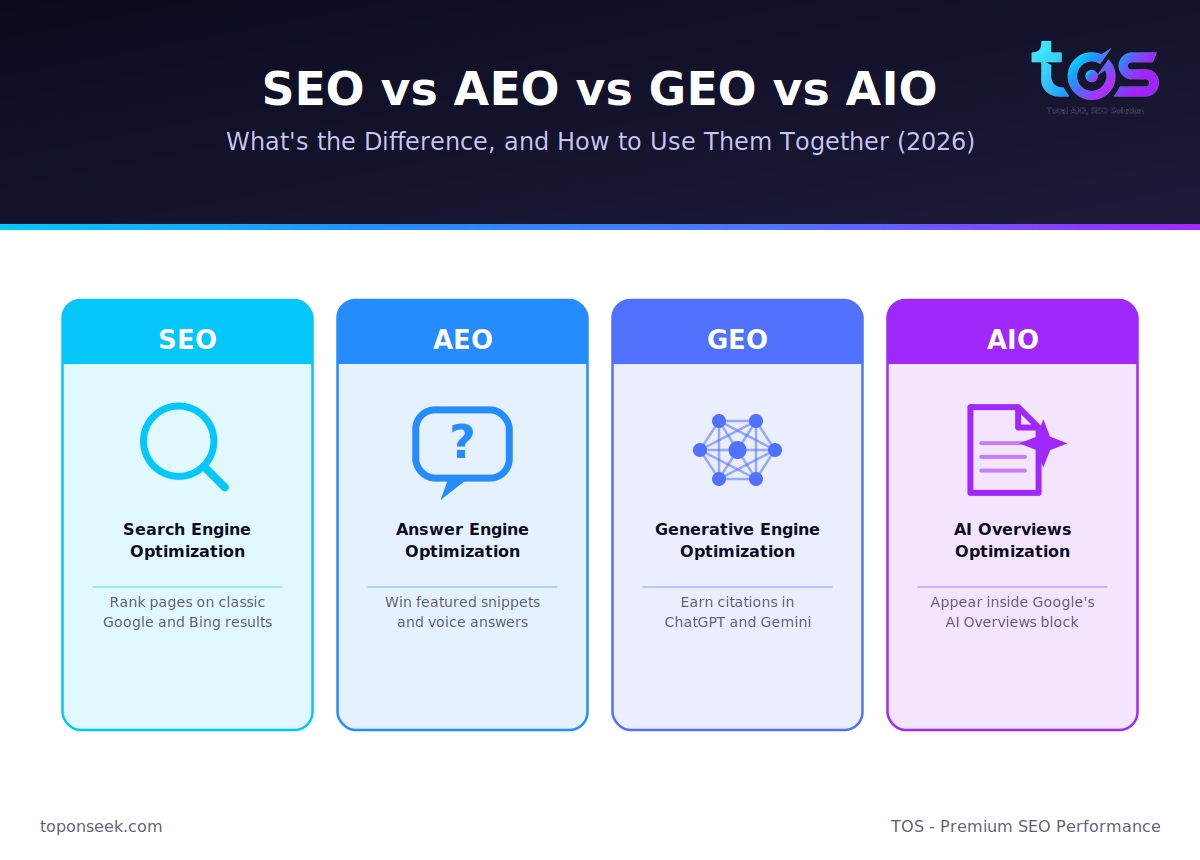
Generative Engine Optimization (GEO) is the practice of getting your brand cited, quoted, and recommended by AI answer engines like ChatGPT, Google AI Overviews, Perplexity, and Gemini. Search Engine Optimization (SEO) is the practice of ranking your pages in traditional results. They share DNA, but they optimize for different endgames. This guide breaks down the real differences, where the two overlap, and exactly how to adapt an existing SEO program for a world where a machine reads your content before a human ever does.
Quick definitions: what GEO and SEO actually optimize for
SEO optimizes a page to rank in a list of results. The unit of success is a position on a search engine results page (SERP), and the payoff is a click that sends a visitor to your site. Everything in classic SEO, keywords, backlinks, page speed, title tags, serves that goal.
GEO optimizes content to be selected and synthesized by a large language model when it composes an answer. The unit of success is a citation or a brand mention inside that answer. Often there is no click at all, the user reads the AI’s response and moves on, so influence replaces traffic as the primary currency. If you want the deeper mechanics, our pillar guide on Generative Engine Optimization and the primer on what GEO is go further than we can here.
GEO vs SEO: the detailed comparison
Both disciplines want the same thing at the top: to be the answer people trust. But the machinery underneath diverges in ways that change how you write, structure, and measure content.
| Dimension | SEO (traditional search) | GEO (AI answer engines) |
|---|---|---|
| Primary goal | Rank a page and win the click | Get cited or recommended inside the answer |
| Ranking signal | Backlinks, on-page relevance, authority, technical health | Semantic relevance, factual clarity, entity trust, source consensus |
| Output the user sees | A ranked list of ten blue links | A synthesized paragraph, often with 3-5 cited sources |
| Where you compete | Position on the SERP | Presence in the model’s chosen sources |
| Content style | Keyword-targeted, long-form, comprehensive | Direct answers, quotable statements, structured facts |
| How it’s measured | Rankings, organic traffic, CTR, conversions | Citation frequency, share of voice in AI answers, referral assists |
| Typical outcome | A visit to your website | Influence, brand recall, an assisted or zero-click journey |
| Freshness sensitivity | Moderate; evergreen pages can rank for years | High; models favor current, corroborated information |
| Winner-take-all? | Position 1 captures most clicks | Multiple brands can be named in one answer |
Where GEO and SEO overlap
Here’s the reassuring part for anyone who has invested years in SEO: most of that work is not wasted. AI answer engines are trained on and retrieve from the open web, and the pages they pull from tend to be the same authoritative pages that rank well in classic search. The overlap is substantial.
- Crawlability and technical health. If Googlebot can’t render your page, neither can the crawlers feeding AI systems. Clean HTML, fast load times, and a valid sitemap still matter.
- Topical authority. Covering a subject thoroughly and being linked to by credible sites builds the entity trust both systems reward.
- Quality content. Accurate, well-organized, genuinely useful writing performs in both channels. Thin, spun content fails in both.
- Structured data. Schema markup that helps Google understand your content also helps a model parse it into facts.
A useful way to think about it: strong SEO is table stakes for GEO. You rarely get cited by an AI for a page that couldn’t earn a spot on page one anyway.
Where GEO is genuinely different
The overlap ends where AI’s reading behavior begins. A search engine indexes and ranks whole pages. A language model breaks content into passages, evaluates them for relevance and trustworthiness, and stitches selected fragments into an original answer. That difference produces new priorities.
Passages beat pages
Models retrieve chunks, not documents. A 3,000-word guide that ranks well can still be invisible to an AI if no single passage cleanly answers the question. Self-contained sections that state a claim and support it in a few sentences are far more “liftable.”
Consensus and corroboration
SEO can be won with one exceptional page and a strong backlink profile. GEO leans on agreement across sources. When several credible sites describe your brand the same way, the model treats that as a fact. When your positioning appears nowhere except your own homepage, it stays a claim. Off-site presence, reviews, listicles, industry mentions, becomes an optimization surface.
Extractable facts over persuasive prose
Marketing copy that dances around the point reads well to humans and poorly to machines. GEO rewards concrete, checkable statements: specific numbers, dates, named features, clear comparisons. “Founded in 2018, TopOnSeek serves clients across Southeast Asia and the US” is quotable. “We’re a passionate team obsessed with results” is not.
Measurement moves from clicks to mentions
You can’t check your AI presence in Search Console. GEO measurement means prompting the engines directly, tracking how often you’re named, and monitoring share of voice against competitors. That is exactly what our free AI Visibility Checker was built to do.
Why you need both, not one or the other
It is tempting to frame this as a migration, that GEO replaces SEO the way mobile replaced desktop-first design. It doesn’t. Traditional search still drives the majority of trackable, high-intent traffic for most businesses, and that will remain true for years. AI answers are growing fast, but they often sit at the top of the funnel, shaping which brands a buyer even considers before they ever search for a comparison or a pricing page.
The two channels also feed each other. A page engineered to be cited by AI usually earns featured snippets and richer SERP treatment too. A brand named repeatedly in AI answers builds the awareness that lifts branded search volume. Treating GEO and SEO as one program, sometimes called AI SEO, lets a single piece of content work both surfaces. Splitting them into rival budgets just creates gaps competitors will fill.
How to adapt your SEO for GEO
You don’t need to rebuild your content operation. You need to layer GEO habits onto the SEO foundation you already have. Here is where to start.
- Answer the question in the first two sentences. Lead each section with a direct, self-contained answer, then elaborate. This “answer-first” structure is the single highest-leverage change for citation.
- Write liftable passages. Make sections modular. A reader (or model) should understand a passage without having read the 800 words above it. Define terms in place instead of assuming context.
- Add concrete, checkable facts. Replace vague superlatives with numbers, dates, named methods, and specifics a model can quote with confidence.
- Use clean structure. Descriptive H2s and H3s, short paragraphs, tables, and lists give both crawlers and models clear extraction points. This very article’s comparison table is a GEO-friendly asset.
- Strengthen your entity footprint. Keep your name, category, and key facts consistent across your site, third-party listings, and industry mentions so models see corroboration, not a lone claim.
- Implement schema and keep content fresh. Mark up articles, FAQs, and organizations, and update cornerstone pages regularly, since AI engines favor current information.
- Measure and iterate. Track which prompts surface you, which surface competitors, and where you’re absent, then close the gaps. Our guide on how to get cited by AI walks through the tactics in depth.
See how AI describes your brand right now. Run your domain through TopOnSeek’s free AI Visibility Checker and get a GEO scorecard across the engines that matter, plus a competitor comparison.
Frequently asked questions
Is GEO replacing SEO?
No. GEO extends SEO into AI answer engines, it doesn’t replace it. Traditional search still drives most measurable, high-intent traffic, while GEO captures influence in AI-generated answers. The smart move is to run them as one program rather than choosing sides.
What’s the core difference between GEO and SEO?
SEO optimizes pages to rank and win clicks. GEO optimizes content to be cited and recommended inside an AI-generated answer, where there may be no click at all. SEO competes for a position on a results page; GEO competes for a mention in the response itself.
Is “AI SEO” the same as GEO?
They’re used interchangeably in practice. “AI SEO” usually describes the combined discipline of optimizing for both traditional search and AI answer engines. GEO is the more precise term for the part focused specifically on generative engines like ChatGPT, Perplexity, and Google AI Overviews.
How do I measure GEO performance?
Track how often AI engines mention or cite your brand for relevant prompts, your share of voice versus competitors, and referral traffic assisted by AI. Tools like the AI Visibility Checker automate this by querying the engines and scoring your presence.
The takeaway
GEO vs SEO isn’t a fork in the road, it’s two lanes of the same highway. SEO earns the click; GEO earns the mention. The businesses that win the next few years won’t pick one. They’ll write content that ranks in search and gets quoted by AI, measure both, and treat their citation footprint as seriously as they’ve always treated their backlink profile. Start by finding out what the AI engines already say about you, then close the gaps one liftable passage at a time.
 TOS · Search AI Agency
Get fresh SEO & AI insights — every day
Curated, practical, no spam. Join marketers who read TOS first.